
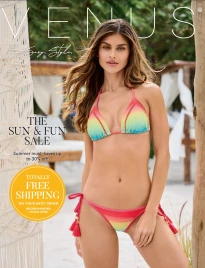
Venus Catalog
Finding clothes that fit every curve often feels like an impossible task for many modern shoppers. The typical fashion market frequently ignores the diversity of women’s bodies, leaving many to settle for items that don’t quite hit the mark. However, a specialized approach to design ensures that style remains accessible regardless of a person’s specific measurements. From the elegance of floor-length gowns to the casual comfort of everyday denim, the right apparel collection bridges the gap between high fashion and daily functionality. Consumers looking for a versatile wardrobe selection can find options that range from petite sizes to curvy silhouettes without sacrificing trendiness. This focus on inclusivity allows individuals to express their personal style with confidence. By prioritizing figure-flattering cuts and high-quality fabrics, this brand establishes itself as a reliable destination for those seeking fashion solutions that celebrate the female form in all its variations.
Essential Apparel for Every Modern Wardrobe
A well-rounded closet starts with pieces that transition easily from a morning meeting to an evening dinner. Maxi dresses offer a seamless blend of comfort and sophistication, providing a long silhouette that works for various occasions. These garments often feature unique patterns and breathable materials, making them a staple for warmer months or vacation travel. Shoppers appreciate how a single piece of clothing can create a complete look with minimal effort.
Jumpsuits serve as another excellent alternative for those who want a modern edge without the complexity of matching tops and bottoms. These one-piece wonders come in various cuts, including wide-leg or tailored fits, ensuring they suit different body types. When paired with the right accessories, they offer a polished appearance that rivals traditional evening wear. Many buyers find that the structural integrity of these designs helps define the waistline and provides a sleek, cohesive profile.
Denim remains the backbone of any casual collection, but finding the perfect fit is often a challenge. Modern manufacturing techniques now allow for premium stretch denim that hugs the body while maintaining its shape throughout the day. Whether a shopper prefers a classic bootcut or a trendy skinny fit, the variety available ensures there’s a pair for every preference. Combining these durable bottoms with soft loungewear creates a balanced wardrobe that handles both active days and relaxed weekends at home with equal grace. This adaptability makes it easier to stay productive while remaining cozy during a busy afternoon.
Innovative Features for Superior Style and Fit
- Bikini Separates: Mixing and matching tops and bottoms allows shoppers to find the perfect size for their unique proportions. This flexibility ensures a custom fit for every body shape.
- Push Up Bikini Tops: These specialized designs provide extra lift and support, creating a confident silhouette for beach days. They offer the structural benefits of a high-quality bra in a waterproof format.
- Plus Size Swimwear: Dedicated designs for curvy figures focus on support and style. These pieces utilize reinforced stitching and strategic patterns to flatter larger frames while providing maximum comfort.
- Petite Proportions: Tailored specifically for shorter heights, these items prevent hemlines from dragging. Designers adjust the torso length and inseams so the clothing fits correctly without needing expensive third-party alterations.
Mastering the Art of Flattering Swimwear
Selecting the right swimwear involves more than just picking a color; it requires an understanding of how different cuts interact with the body. For many shoppers, the hunt for a flattering swimsuit is a seasonal ritual that demands high performance and aesthetic appeal. Women’s swimwear has evolved to include tummy-control panels and underwire support, which help enhance the natural shape of the wearer. These technical additions allow individuals to feel secure while swimming or sunbathing without feeling restricted or uncomfortable.
Figure-flattering cuts are the hallmark of a collection that understands the nuances of the female anatomy. By using ruching, wrap designs, and strategic color blocking, designers can draw attention to a person’s best features while minimizing areas of concern. This thoughtful engineering means that a simple one-piece or a bold bikini can provide the same level of confidence. Consumers often look for these specific details to ensure their purchase lasts for multiple seasons and stays in style.
The diversity of the Venus Catalog means that every woman can find a style that resonates with her personal taste. From vibrant tropical prints to classic solid hues, the aesthetic range is vast. This variety allows for a personalized shopping experience where the focus is on self-expression rather than fitting into a narrow mold. When clothes are designed with real bodies in mind, the result is a more satisfying and successful shopping trip for every visitor. Finding that one special item becomes much simpler when the options align with modern beauty standards.
Investing in a wardrobe that balances trendiness with practical fit is the key to long-term fashion satisfaction for every buyer. Shoppers no longer have to choose between looking good and feeling comfortable when they have access to a collection that prioritizes both. By focusing on high-quality materials and inclusive sizing, this brand helps individuals build a closet they truly love. Whether the goal is to find the perfect summer dress or a supportive swimsuit for the pool, the options are plentiful and reliable. Making informed choices about style leads to a more confident daily life. For those ready to upgrade their look, the Venus Catalog provides a wide array of choices for every occasion.