
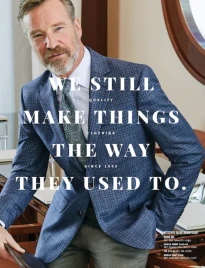
Jos. A. Bank Catalog
Modern professionals often struggle to find attire that balances classic style with a modern fit. Finding the right wardrobe isn’t just about picking items off a shelf; it’s about understanding how different fabrics and cuts work together to create a cohesive image. A well-organized Jos. A. Bank Catalog provides a clear roadmap for men who want to upgrade their appearance without the guesswork of high-fashion trends. By focusing on traditional staples like wool blazers and crisp cotton shirts, shoppers can build a foundation that lasts for years. The selection caters to various body types, ensuring that every individual finds a silhouette that enhances their natural frame. Whether preparing for a high-stakes board meeting or a formal evening event, having access to a reliable set of professional staples ensures readiness for any occasion. This resource simplifies the process of selecting coordinated outfits that project confidence and competence in every professional setting imaginable.
Building a Foundation with Quality Men's Tailored Clothing
Choosing the right suit involves more than just selecting a color; it requires attention to the specific blend of materials and the precision of the stitch. High-quality men’s suits utilize premium wool that breathes well in summer while providing necessary warmth during the winter months. Shoppers usually look for options like the Reserve or 1905 collections to find the specific weight and texture that matches their lifestyle and needs.
Tailoring makes the difference between a garment that looks borrowed and one that looks custom-made. Modern fits offer a closer cut through the chest and waist, while traditional fits provide more room for movement and comfort. When browsing a Jos. A. Bank Catalog, men often find that having various fits available allows them to choose a look that suits their specific daily activity level.
Beyond the jacket and trousers, the details of a dress shirt can define the entire ensemble. Spread collars and button-down options serve different purposes, ranging from the strictly formal to the business-casual environment. Selecting a non-iron fabric helps busy professionals maintain a sharp appearance from the morning commute until the final meeting of the day without worrying about unsightly wrinkles or creases.
Footwear serves as the anchor for any formal or semi-formal outfit. Leather oxfords and loafers must complement the leather of the belt to maintain a unified aesthetic across the whole look. Quality footwear isn’t just about style; it’s about providing the structural support needed for those who spend long hours on their feet. This choice impacts comfort throughout the day.
Essential Elements for a Professional Wardrobe
- Tailored Separates: These pieces allow buyers to mix and match different sizes for jackets and trousers, ensuring a perfect fit for those with non-standard body proportions or specific style preferences.
- Traveler Collection: Designed for the frequent flier, these garments resist wrinkles and stains, making it easier to look polished even after a long flight or a day of meetings.
- Big and Tall: Specialized sizing ensures that larger or taller men don’t have to sacrifice style, offering the same high-quality fabrics and modern designs found in standard sizes.
- Performance Fabrics: Utilizing advanced textile technology, these materials offer stretch and moisture-wicking properties, providing comfort for active professionals who need to move freely throughout their busy workday.
- Dress Shirts: High-quality cotton shirts offer a range of collar styles and cuff options, allowing individuals to customize their look for business meetings or formal gala events.
- Custom Tailoring: For those seeking a truly unique fit, personalized measurements ensure that every aspect of the garment is designed to match the specific physical dimensions of the wearer.
Maximizing Versatility and Fit for Every Body Type
Finding the right fit for larger frames used to be a challenge in the world of high-end fashion. Today, the focus on inclusive sizing means that broader shoulders and longer torsos are treated with the same design care as any other build. Big and tall options provide the necessary room without the boxy, unflattering shapes often associated with oversized clothing in the past.
Smart shoppers prioritize versatility when selecting new additions to their closet. A navy blazer or a pair of charcoal trousers can work across dozens of different outfit combinations, making them essential investments for any budget. By focusing on these core pieces, men can create a rotating wardrobe that feels fresh and new without needing to purchase an entirely new set of clothes.
Accessories like silk ties and leather belts might seem like small additions, but they play a significant role in finishing a look. Coordinating the colors and textures of these items shows an attention to detail that peers and clients often notice immediately. Using a guide to match these elements helps prevent clashing patterns and ensures the final result is visually balanced.
Seasonal transitions require a shift in fabric choices to stay comfortable. Lighter linens and cotton blends work best for the heat of July, while heavier flannels and corduroy provide the insulation needed for January. Understanding these material properties allows consumers to plan their purchases ahead of time, ensuring they are always prepared for the changing weather while staying stylish.
Building a professional wardrobe is a journey that rewards those who pay attention to quality and fit. By selecting timeless pieces that stand up to daily wear, any man can elevate his personal brand and feel more prepared for the challenges of the workplace. The right combination of shirts, trousers, and jackets creates a versatile foundation that adapts to various social and professional settings with ease. Investing in well-made garments is not just about looks; it’s about the confidence that comes from knowing one is dressed appropriately for any situation. To explore the latest styles and find the perfect fit for your lifestyle, check out the Jos. A. Bank Catalog.