
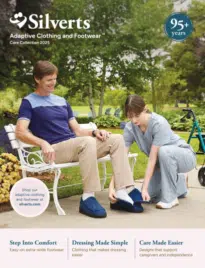
Silvert’s Catalog
Daily dressing becomes a significant hurdle for many aging adults and those with physical limitations who live independently or in care facilities. Traditional garments lack flexibility. Stiff joints make standard buttons and zippers nearly impossible to manage. Adaptive clothing solves these issues by integrating specialized closures and wider openings into stylish designs. Caregivers frequently search for a comprehensive Silvert’s Catalog to find solutions that simplify morning routines and restore dignity to the dressing process. These garments don’t just cover the body; they provide a sense of independence and comfort that standard retail options can’t match. By focusing on geriatric clothing that accommodates wheelchairs or limited range of motion, families can significantly reduce the physical stress associated with getting ready each day.
Innovative Design Features in Modern Adaptive Apparel
Adaptive designs prioritize ease of use by replacing standard buttons with alternative fasteners that require less manual dexterity from the user. Magnetic button shirts allow individuals with arthritis or tremors to dress themselves without struggling with small, fiddly parts that cause frustration. These magnets click into place effortlessly, providing a secure closure that looks identical to a traditional button-up shirt from the outside.
Open back shirts for seniors offer a different type of functionality, specifically targeting those who require assistance or have restricted arm movement during the day. These tops feature large overlaps at the back that snap shut securely at the shoulders. This design prevents the need for the wearer to raise their arms or bend uncomfortably, making the dressing experience pain-free for both the resident and their caregiver in any setting.
For those managing lower body challenges, specialized trousers make a world of difference in daily comfort. Adaptive pants for elderly users often feature side zippers or deep seated cuts that accommodate incontinence products without adding unnecessary bulk. These design choices ensure that the wearer remains comfortable while sitting for long periods, which is a common concern for many seniors.
High-quality fabrics are chosen for their softness against sensitive skin and their ability to withstand the high temperatures of industrial laundry machines. Manufacturers use reinforced seams and durable elastic so that the clothing maintains its shape through heavy use. Brands like silverts bridge the gap between medical necessity and personal preference, allowing seniors to feel like themselves while receiving the support they need to stay confident.
Top Adaptive Clothing Solutions for Daily Living
- Side-Open Pants: These trousers feature long zippers or snaps on both sides, allowing the front panel to fold down for easy access during changes.
- Easy-Access Footwear: Wide-entry shoes use adjustable straps to accommodate various levels of swelling throughout the day without sacrificing safety or stability.
- Seated-Fit Designs: Garments cut specifically for a seated position prevent fabric from bunching at the waist or pulling at the knees during wheelchair use.
- Hospital Gown Alternatives: Modest wraps and back-snap nightgowns provide the same clinical access as hospital attire while offering the soft feel of high-end sleepwear.
- Non-Slip Hosiery: Specialized socks feature gripped soles to prevent falls on slick surfaces, providing an extra layer of protection for those with balance issues.
Prioritizing Safety and Comfort Through Specialized Footwear
Foot health is a critical component of senior safety, as improper footwear often leads to slips and falls in the home. Adaptive slippers for swollen feet provide the necessary volume to accommodate edema while offering a secure fit that standard slippers lack. These shoes often feature slip-resistant soles and extra-wide openings that make them easy to put on even when feet are at their largest.
Choosing the right adaptive shoes for seniors involves looking for models that prioritize stability and ease of closure. Many designs use hook-and-loop straps that allow for micro-adjustments as the foot size changes due to fluid retention or temperature. This flexibility ensures that the shoe never pinches or creates pressure points, which is vital for preventing skin breakdown in diabetic users.
Support doesn’t stop at the exterior of the shoe; internal cushioning and arch support are just as important for maintaining mobility. High-density foam and contoured footbeds help distribute weight evenly, reducing the strain on hips and knees during short walks. By focusing on these ergonomic details, manufacturers help seniors maintain their balance and continue moving safely within their homes or care environments.
For residents in long-term care, footwear must also be durable enough to handle frequent cleaning while remaining breathable. Mesh panels and antimicrobial linings help keep feet dry and healthy by preventing moisture buildup. These thoughtful additions mean that seniors can enjoy a higher quality of life without worrying about the discomfort or hazards of poorly fitting traditional footwear options.
Finding the right clothing for nursing home residents involves balancing medical needs with personal style. The Silvert’s Catalog provides a wide range of options that address physical limitations without looking clinical or institutional. By choosing garments with hidden adaptive features, seniors can maintain their independence and feel confident in their appearance every day. Investing in quality adaptive wear is a simple way to improve comfort and safety for aging loved ones. These functional designs support dignity while making the dressing process much smoother for everyone involved. Individuals can view the full range of available styles and functional designs by looking at the Silvert’s Catalog.