
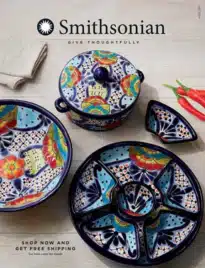
Smithsonian Museum Store Catalog
Walking through the halls of a world-class museum often sparks a profound sense of wonder. The ability to see objects that have survived centuries or witnessed pivotal moments in human history creates a unique connection to the past. This experience does not have to end when leaving the building. Through the offerings found in a museum-themed collection, individuals can bring a piece of that history into their own homes. These items serve as tangible reminders of the vast achievements in art, science, and culture that define the human story. Whether it is a piece of jewelry inspired by ancient civilizations or a scientific kit that explains the mysteries of the stars, these products offer a bridge between educational discovery and daily life.
The value of museum-inspired items lies in their ability to tell a story while serving a functional or aesthetic purpose. For many, shopping from such a collection is a way to support the continued preservation of knowledge and the maintenance of historical archives. Every item selected carries with it the weight of research and the beauty of historical accuracy, making them stand out in a world of mass-produced goods. These pieces are often developed with an eye toward education, ensuring that the owner gains a deeper understanding of the subject matter. By choosing these unique items, shoppers contribute to a cycle of learning and appreciation that spans generations, keeping the spirit of exploration alive in a modern context.
Unveiling the Treasures of Cultural Heritage
The diversity of items available in a high-quality museum collection reflects the vastness of human achievement. From the intricate patterns of traditional textiles to the sleek lines of modern engineering, there is something to capture every interest. These collections often categorize items by their historical era or scientific discipline, allowing enthusiasts to find exactly what resonates with their personal passions. This organized approach to shopping makes it easier to find gifts that are not only beautiful but also deeply meaningful to the recipient.
Jewelry with a Story to Tell
Jewelry found in museum collections often draws inspiration from the adornments of queens, explorers, and ancient artisans. These pieces are frequently based on actual artifacts housed in museum vaults, providing a sense of timeless elegance that transcends modern trends. For example, necklaces featuring lapis lazuli might evoke the grandeur of ancient Egypt, while intricate gold filigree work could reflect the sophisticated craftsmanship of the Renaissance. Wearing such a piece allows an individual to carry a fragment of history with them, sparking conversations and sharing knowledge about the origins of the design. The focus remains on the beauty of the materials and the skill of the original creators, ensuring each accessory is a work of art in its own right.
Beyond ancient history, many jewelry designs celebrate the natural world. Botanical motifs, such as silver leaves or floral enamel work, highlight the intersection of biology and art. These items often come with descriptions explaining the specific species or the artistic movement that inspired the design, such as Art Nouveau or the Arts and Crafts movement. This educational component adds layers of value, turning a simple accessory into a lesson in history and science. Collectors often seek out these pieces because they represent a commitment to artistic expression that is rooted in real-world observation and historical context.
Artistic Accents for the Home
Transforming a living space into a gallery of history is made possible through home decor inspired by museum archives. Textiles, such as throws and pillows, often feature patterns derived from historical tapestries or modern abstract paintings. These items provide a subtle way to incorporate cultural significance into interior design. For instance, a rug featuring geometric patterns from the early 20th century can anchor a room while paying homage to the pioneers of modern architecture. These decor choices reflect a sophisticated taste and a respect for the creators who shaped our visual environment.
In addition to textiles, home collections frequently include replicas of sculptures, decorative vases, and wall art. These pieces allow homeowners to surround themselves with beauty that has stood the test of time. A small bust of a historical figure or a replica of a famous ceramic piece serves as a daily inspiration and a reminder of the heights of human creativity. These items are crafted with attention to detail, ensuring that the texture and color remain faithful to the original works. By integrating these elements into a home, one creates an environment that fosters scientific curiosity and an appreciation for the arts.
Igniting Curiosity through Educational Toys
For younger generations, museum stores offer a gateway to educational exploration through toys and kits that make learning interactive. Science kits that focus on paleontology, astronomy, or chemistry allow children to conduct experiments and discover the world around them. These products are designed to be both fun and informative, encouraging a lifelong love of learning. A model of the solar system or a dinosaur excavation kit provides hands-on experience that textbooks alone cannot offer. These tools help develop critical thinking skills and a deeper understanding of the natural laws that govern the universe.
Books and puzzles also play a significant role in the educational offerings of a museum collection. Detailed illustrations and age-appropriate narratives help children grasp complex historical events or scientific concepts. Puzzles featuring famous artworks or maps of the ancient world provide a challenging and rewarding way to engage with history. These items are often selected for their ability to inspire the next generation of scientists, historians, and artists. By providing high-quality educational resources, museum stores play a vital role in supporting the development of young minds.
The Influence of History on Modern Design
Modern designers often look to the past for design inspiration, and museum collections are a primary source for this creative process. The patterns found in ancient Greek pottery or the bold colors of mid-century modern art continue to influence the products we use today. This connection between the past and the present is evident in everything from stationery to apparel. By studying the techniques and aesthetics of previous eras, contemporary creators can produce items that feel both fresh and familiar. This blending of influences results in products that have a lasting appeal, far outlasting the fleeting nature of modern fashion cycles.
The study of history also informs the materials used in modern museum-inspired products. There is a growing emphasis on using sustainable and high-quality materials that reflect the durability of the original artifacts. This commitment to quality ensures that the items purchased today will become the heirlooms of tomorrow. Shoppers are increasingly drawn to products that have a clear origin story and a connection to a larger narrative. This shift in consumer behavior highlights the enduring importance of museums as keepers of culture and as sources of inspiration for the modern marketplace.
Selecting the Perfect Gift for History Enthusiasts
Finding a gift that truly resonates with someone requires a deep understanding of their interests. For those who love aviation, a model of a historic aircraft or a watch inspired by early pilots can be a thrilling choice. For those who find peace in nature, botanical prints or gardening tools based on historical designs are ideal. The thoughtful gifting process is simplified when shopping from a collection that is categorized by subject matter. Each item is more than just a physical object; it is a celebration of a specific field of study or a moment in time.
The act of giving a museum-inspired gift also conveys a sense of respect for the recipient’s intellect and curiosity. It shows that the giver has put thought into finding something that aligns with the recipient’s values and passions. Whether it is a book on the history of jazz or a scarf inspired by a famous impressionist painting, these gifts are cherished for their beauty and their meaning. In a world where many items are quickly forgotten, a gift from a museum collection remains a lasting reminder of a shared appreciation for history and culture. Exploring the vast array of options in the Smithsonian Museum Store Catalog is a wonderful way to find these unique treasures.