
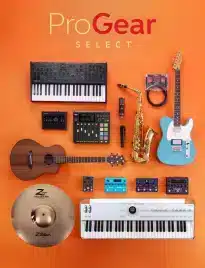
Sweetwater Music Catalog
Musicians often face the challenge of finding high-quality gear that matches their creative vision and technical requirements. Selecting the right tools for a home studio or a live performance stage determines the final sound quality an artist achieves. Modern players look for a reliable Sweetwater Music Catalog to provide access to the industry’s most trusted brands and technical specifications. Whether a person is searching for a classic six-string or the latest recording software, having a centralized source for equipment simplifies the buying process. This variety ensures that every level of player, from the hobbyist to the touring professional, finds the specific tool they need for their craft. Choosing gear involves more than just a purchase; it’s about investing in a pro-grade instrument selection that will last for years. Quality gear allows creators to focus on their art instead of troubleshooting equipment failures or subpar performance.
Choosing the Right Electric Guitar for Your Sound
Finding the perfect electric guitar starts with understanding the unique characteristics of iconic models. The Gibson Les Paul remains a staple for players who crave thick, warm tones and long-lasting sustain. Its solid mahogany body and maple top create a heavy, resonant foundation that defines the sound of rock and blues. Many performers choose this model because it handles high-gain amplification without losing its clarity or becoming overly harsh.
In contrast, the Fender Stratocaster offers a brighter and more percussive sound that cuts through a dense mix. Its three single-coil pickups provide a variety of tonal options, ranging from glassy cleans to punchy leads. The contoured body design makes it comfortable for long practice sessions or energetic stage shows. This model’s versatility makes it a favorite for funk, pop, and country musicians who need a wide array of sounds from a single instrument.
Technical details like neck profile and fretboard material also play a huge role in playability. A mahogany neck with legendary humbucking pickups provides a different tactile experience than a bolt-on maple neck. Players often compare these differences to find the specific feel that complements their hand size and playing style. Investing in a high-quality electric guitar ensures that the instrument stays in tune and responds accurately to the player’s touch.
Beyond the body and pickups, the hardware on these instruments affects tuning stability and intonation. High-ratio tuners and a well-cut nut prevent strings from slipping during intense performances. When a guitarist picks up a professional instrument, they expect it to perform reliably every time it leaves the case. Reliability is a key factor for any touring musician who cannot afford gear failure in the middle of a set.
Essential Studio and Performance Gear
- Audio Interface Connectivity: Modern recording requires high-quality preamps and converters to turn analog signals into digital files. These devices ensure every nuance of a vocal or guitar performance is captured clearly.
- Studio Monitor Accuracy: High-fidelity speakers provide a flat frequency response, allowing producers to hear exactly what is happening in their mix. This precision helps in making better decisions during the mastering phase.
- Digital Piano Weighted Keys: Modern keyboards mimic the feel of an acoustic grand by using graded hammer action. This feature is essential for students and professionals who need a realistic playing experience.
- Solid Body Resonance: The wood used in a guitar’s construction significantly impacts its natural tone. Premium materials like alder or mahogany offer distinct acoustic properties that define the instrument’s character.
- Phantom Power Requirements: Condenser microphones need external power to function correctly, which is usually provided by an interface. This setup allows for high-sensitivity recording needed for detailed vocal tracks.
Optimizing Your Home Studio for Professional Results
Building a functional home studio requires a strategic approach to selecting an audio interface and studio monitors. The interface acts as the central hub, bridging the gap between instruments and computer software. Most buyers look for units that offer low-latency recording to ensure there is no delay between playing a note and hearing it back. High-quality converters in these units preserve the integrity of the sound, preventing unwanted noise or distortion during the tracking process.
Once the sound is captured, studio monitors become the most critical tool for evaluation. Unlike consumer speakers that boost bass or treble, these monitors aim for a neutral sound. This accuracy lets a producer identify frequency clashes or volume imbalances that wouldn’t be audible on standard headphones. Placing these speakers correctly in a room further enhances their performance, providing a clear stereo image for detailed panning and spatial effects.
For those focusing on keys, a digital piano provides a space-saving alternative to an acoustic upright. These instruments often feature high-resolution samples from world-class grand pianos. Finding the right model in the Sweetwater Music Catalog involves checking for features like polyphony count and pedal compatibility. These technical specs ensure the instrument can handle complex passages without cutting off notes prematurely, giving the player a seamless and expressive musical experience.
Choosing the right connection types is also vital for a smooth workflow. Interfaces often provide a mix of XLR, TRS, and MIDI inputs to accommodate various instruments and controllers. This flexibility allows a user to expand their setup as their skills grow. Investing in the right foundation prevents the need for constant upgrades, saving both money and time in the long run.
Selecting the right equipment is a journey that requires balancing technical needs with creative goals. From the iconic roar of a Gibson Les Paul to the precise clarity of high-end studio monitors, every piece of gear contributes to the final artistic output. By focusing on quality components and proven brands, musicians ensure their work meets professional recording standards. A reliable setup doesn’t just improve sound; it builds confidence during the creative process. Having the right tools at hand allows for a smoother workflow and better results in every session. For anyone looking to upgrade their current rig or start a new project, exploring the options within the Sweetwater Music Catalog is the smartest move for long-term success.