
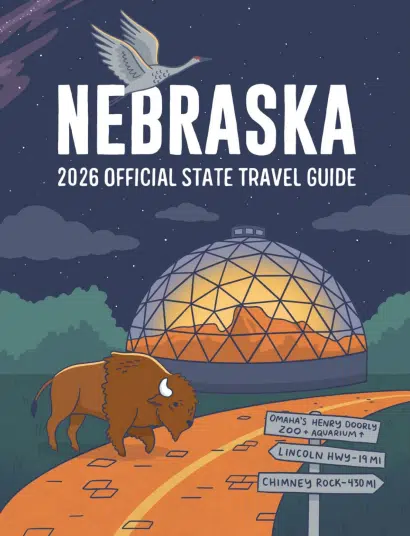
Nebraska Travel Guide
Nebraska offers a surprising blend of natural beauty and urban energy that often goes unnoticed by those sticking to the coastal states. Travelers find themselves standing atop towering bluffs or exploring cobblestone streets in historic districts that feel like a step back in time. The state serves as a bridge between the industrial Midwest and the wild landscapes of the Great Plains. Visitors often start their journey in Omaha, where world-class dining meets a legendary zoo experience, before heading west to see the rugged formations that guided 19th-century pioneers. This region provides more than just a place to drive through; it’s a destination filled with western heritage and modern innovation. Whether someone is looking for a quiet retreat in the Sandhills or a high-energy sports weekend in Lincoln, the state delivers. Every mile reveals a piece of American history or a hidden natural wonder.
Exploring Vibrant Urban Centers and Cultural Landmarks
Urban centers like Omaha and Lincoln offer a sophisticated experience that rivals larger metropolitan areas while keeping a friendly, accessible vibe. Lincoln brings a different energy, fueled by the passion for college sports and a striking state capitol building that dominates the skyline. These cities provide the perfect home base for those who want upscale amenities between their outdoor adventures.
In Omaha’s Old Market, shoppers walk on original brick streets surrounded by galleries and local eateries. It’s a place where history isn’t just displayed; it’s lived in every day. The atmosphere encourages slow walks and long meals, allowing visitors to soak in the architectural charm of the late 19th century without feeling rushed by modern city life.
The state’s cultural landscape shines through its diverse museum offerings. Facilities like the Durham Museum or the Joslyn Art Museum showcase everything from pioneer life to world-class fine arts. Educational storytelling remains a priority, ensuring that every guest leaves with a deeper understanding of the Great Plains. These institutions provide a climate-controlled way to explore the heart of the country.
Moving away from the city lights, the landscape shifts into dramatic geological formations. Places like Toadstool Geologic Park offer a lunar-like environment that seems out of place in the central United States. These parks aren’t just for looking; they offer miles of hiking trails where outdoor enthusiasts see fossils. The contrast between lush river valleys and stark high plains makes this Nebraska Travel Guide essential.
Must-See Destinations Across the Great Plains
- Scots Bluff National Monument: This massive landmark towers 800 feet above the North Platte River, offering paved paths to the summit for breathtaking views of the rolling prairies and historic trails.
- Chimney Rock: As the most famous landmark on the Oregon Trail, this spire represents the resilience of pioneers who trekked across the plains in search of new lives in the west.
- Sandhills Scenic Byway: Travelers experience one of the largest grass-stabilized dune regions on Earth, featuring quiet roads, unique wildlife, and some of the darkest night skies in the entire country today.
- The Strategic Air Command Museum: History buffs enjoy a massive collection of aircraft and spacecraft that highlight the vital role the region played during the height of the Cold War and space race.
- Ashfall Fossil Beds: Visitors see prehistoric rhinos and horses preserved in volcanic ash, providing a rare look at life millions of years ago in a remarkably intact and preserved state.
Connecting with Pioneer History and Natural Wonders
History truly comes alive when standing at the base of the Great Platte River Road Archway. This structure spans the highway and houses interactive exhibits detailing the movement of half a million people westward. It highlights the paths of the Oregon, Mormon, and California Trails. Pioneers faced grueling conditions, and seeing the actual wagon ruts left behind in the soft rock gives visitors a chilling sense of reality.
These historic pioneer landmarks serve as physical reminders of the grit required to build the nation. Walking where early settlers walked allows for a connection to the past that books simply cannot provide. Visitors don’t just see the sites; they feel the weight of history in these quiet spaces. It’s an inspiring part of the journey that resonates with anyone interested in the American frontier.
Sports culture in the region is nothing short of legendary, specifically when it comes to Saturday afternoons in the fall. The sea of red in Lincoln creates an atmosphere that is hard to find anywhere else in college athletics. Fans are known for being the most polite in the country, often applauding the opposing team after a hard-fought game. This hospitality extends far beyond the stadium seats.
Further west, the terrain becomes rugged and iconic. Scots Bluff National Monument isn’t just a scenic stop; it was a psychological milestone for early travelers. Reaching these bluffs meant the flat plains were over and the mountains were near. Modern visitors can drive the historic road to the top or hike the trails to see the layers of siltstone and volcanic ash that define this unique area.
Exploring the heart of the country reveals a depth that many travelers miss on their first trip. From the high-energy stadiums and urban galleries to the quiet, towering spires of the west, there’s a sense of discovery at every turn. Travelers find that the pace of life allows for meaningful connections with both the land and the people who call it home. The combination of historical significance and modern entertainment creates a well-rounded experience for families and solo adventurers alike. Taking the time to visit these sites ensures a deeper appreciation for the diverse American landscape. For more detailed tips, consult a Nebraska Travel Guide to plan an unforgettable journey.